FAQs: Planetary Health
Why is using pesticides in wine production so bad?
Most believe that wine is sustainable. However, 85% of wines are produced unsustainably. [b] Among the most chemically treated crops globally are grapes used for wine. For example, France’s wine grape farmland consisted of just 3.7%, but used 20% of all pesticides nationally [b]. As a result, all the toxic agricultural chemicals harm people, animals, and the planet. Compared to conventional fields, the probability of spraying pesticides for organic fields was 30% less.
These pesticides, including herbicides, fungicides, and insecticides, can cause:
Air, soil, and water pollution (including runoff into oceans) [b];
Biodiversity loss [b];
Carbon emissions and climate change [b].
CLIMATE
Things are much worse than expectedAg is a bigger part of thatWine is an important part of Ag
How iwine is produced has a knock-on effect
lack of labeling is obfuscation
By changing the wine you drink you can make a difference
REGEN
in regen, no wastage: the stems are recycled at the distillery
protect the microbiome, protect your health, protect the climate
2. Why “green” wine?
Wine made without synthetic chemicals: they use the healthiest farming methods for health and the environment. Different farming styles include certified organic, biodynamic, regenerative, permaculture, sustainable, or natural farming techniques [b]. With every glass you sip, you will support healthier ecosystems, communities, and farming practices [b]. You’ll also support winemakers championing long-term soil health, clean water, and responsible agriculture [b].
As a result, we can reverse climate change and improve health by doing the following:
Supporting vineyards that store carbon in the soil;
Offsetting the emissions of 13 cars by supporting 20 acres of regenerative vines [b];
Avoiding pesticide residues [b].
4. Does green wine really fight climate change?
Yes, green wine producers reverse climate change effects and past environmental damage! While conventional vineyards emit carbon and degrade soil, green wine producers powerfully do the following:
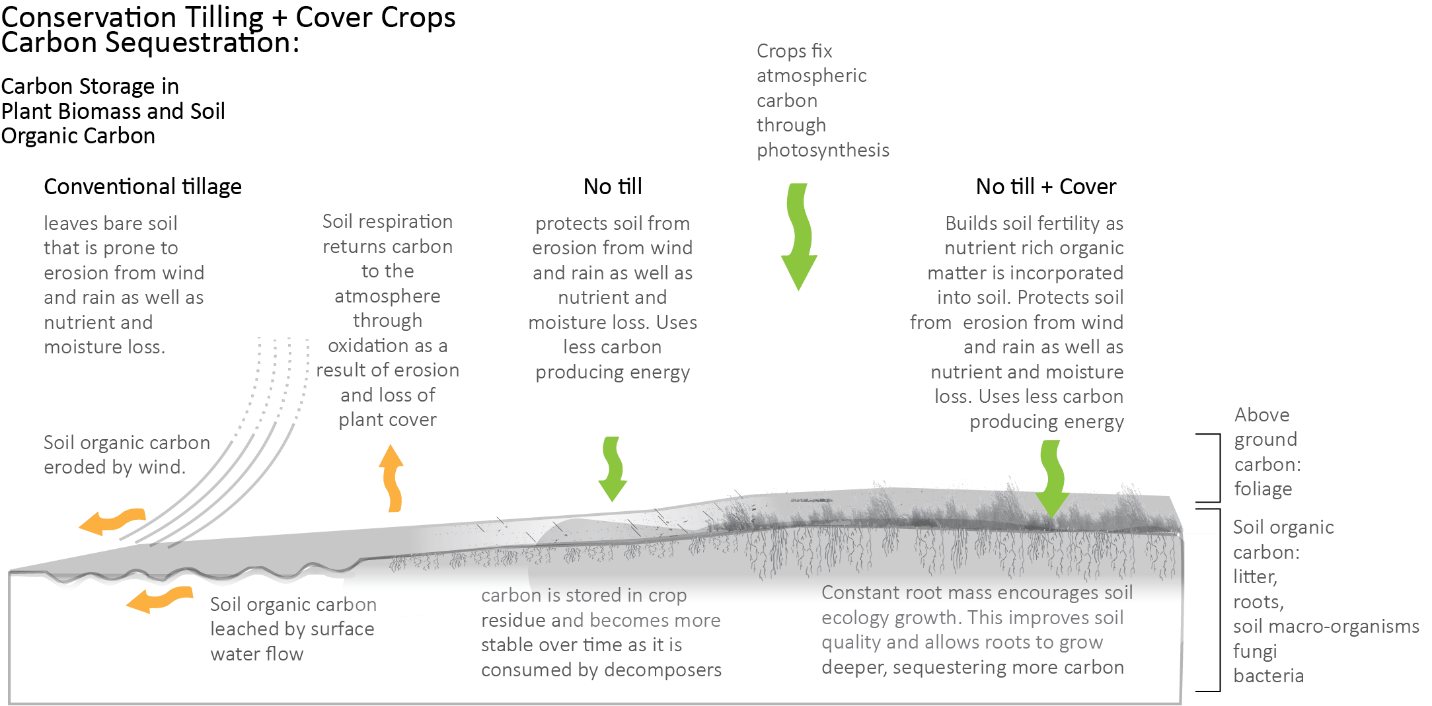
Stop tilling, a practice that releases tons of carbon (below pic) [b];
Plant cover crops, a practice that drastically improves soil health and captures tremendous carbon from the atmosphere [b].
Stopping tilling can significantly increase soil organic carbon infiltration and nutrient retention, while decreasing erosion potential. According to a 12-year study, adding cover crops increased soil organic carbon stock gains for
no-till by 30%,
chisel plowed by 10%, and
moldboard-plowed plots by 18%.
Based on 56 mainly peer-reviewed papers, compared to conventional systems, “organic systems had 32% to 84% greater microbial biomass carbon, microbial biomass nitrogen, total phospholipid fatty-acids, and dehydrogenase, urease, and protease activities.”
7. What are sulfites?
Sulfites are inorganic salts used as antibacterial preservatives to prevent oxidation and promote yeast growth, commonly found in wine in the form of sulfur dioxide (SO2), naturally and artificially. They’re used to prevent “black spots” in wine to limit bacterial growth. Wines differ by sulfite amounts, as high acidity requires less sulfur dioxide (SO2), as it already acts as a preservative. However, sulfite sensitivity may develop at any time in a person’s life, with some symptoms not occurring until a person reaches their 40s or 50s.
For nonasthmatics, adverse reactions are extremely rare. While sulfites are generally regarded as safe (GRAS) by the FDA, a small percentage of the population is sensitive to them. They especially impact asthmatics dependent on steroids or have a high degree of airway hyperactivity, but the degree of symptoms varies. Symptoms include a wide variety of “dermatological, pulmonary, gastrointestinal, and cardiovascular symptoms.”