
Frequently Asked Questions (FAQs)
Why is using pesticides in wine production so bad?
Many consumers assume wine is inherently sustainable, yet research shows that nearly 85% of wine worldwide is still produced with conventional methods [bibliography (b)]. Grapes, in particular, are one of the most chemically treated crops [b]. In France, vineyards occupy only 3.7% of farmland but account for nearly 20% of pesticide use [b].
The most common chemicals, herbicides, fungicides, and insecticides, have documented impacts on soil health, air and water quality, and biodiversity. These risks extend to human health and surrounding ecosystems. By contrast, organic and biodynamic vineyards use significantly fewer synthetic inputs, on average applying roughly 30% fewer pesticides than conventional systems. This is why reducing or eliminating chemical reliance is central to sustainable and regenerative winemaking [b].
2. Why is this project impactful and urgent?
Soil Degradation
Soil is the foundation of terrestrial life, but it is disappearing at alarming rates. Up to 40% of global soils are degraded, and by 2050, as much as 90% could be at risk, affecting over 3 billion people (Ong, 2023; Rosier, 2024; Runde & Pilisuk, 2022; United Nations, 2022; Vargas, 2022). In agriculture, intensive tillage accelerates erosion 10–100 times faster than natural processes, costing billions annually and undermining food security (Borrelli et al., 2017; Lichtfourse et al., 2009; Joes, 2025).
Viticulture
With 7.9 million hectares under vines globally, conventional vineyard practices are major contributors to erosion, declining soil organic matter, and reduced resilience. This not only threatens ecosystems but also compromises the long-term sustainability of wine itself (Mwaka et al., 2024; Pappalardo et al., 2019; Quéro et al., 2021).
Importance of Soil Health
Healthy soils regulate water, cycle nutrients, support biodiversity, and store carbon. Just one meter of soil can hold over 2,500 gigatons of carbon, meaning restoration could offset up to 34% of agricultural greenhouse gas emissions (Mwaka et al., 2024; Pappalardo et al., 2019; Quéro et al., 2021).
Why address pesticides?
Heavy fungicide and herbicide use contaminates water and food supplies, damages ecosystems, and exposes farmworkers and communities to health risks (FAO, 2022; Mwaka et al., 2024; Robert, 2019). Organic and regenerative approaches reduce these risks and safeguard human and environmental health (Larsen et al., 2021; Perro, 2019).
Why regenerative practices?
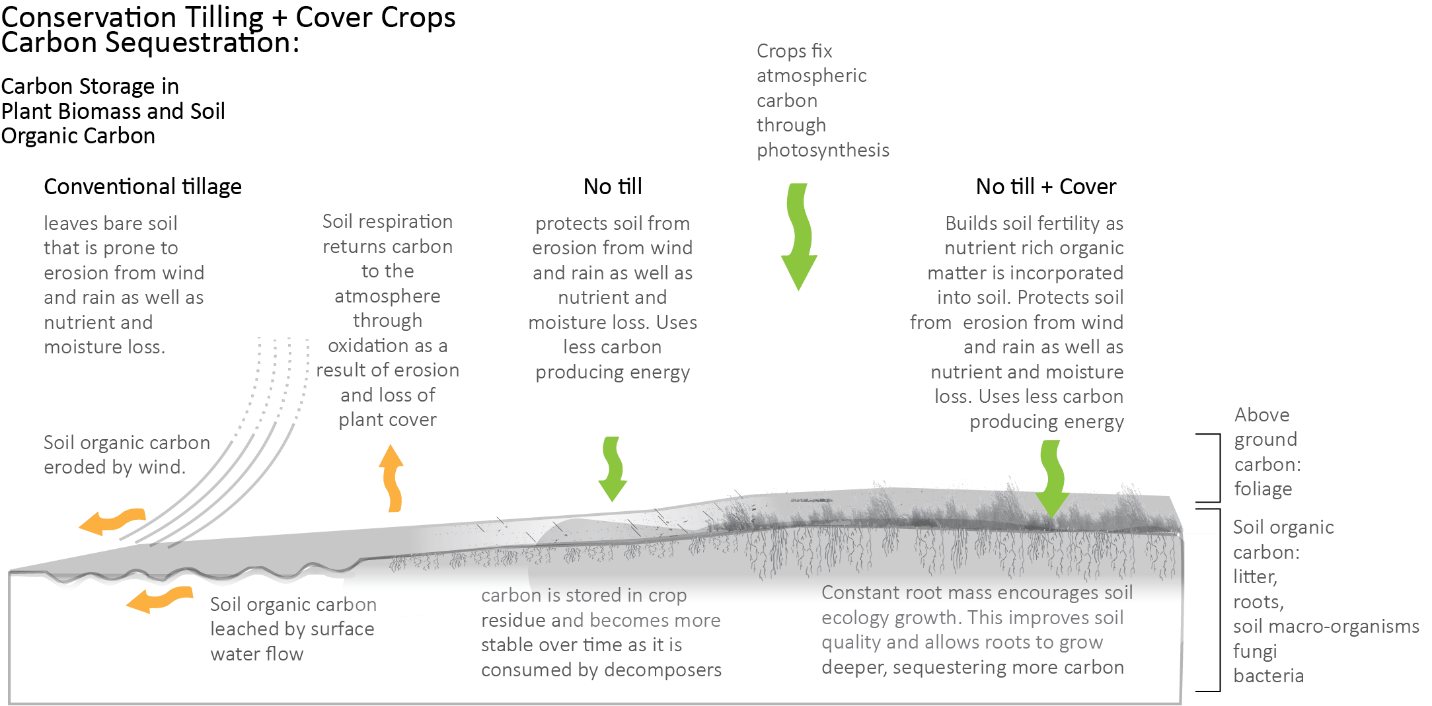
Techniques like cover cropping, no-till farming, and crop diversification improve soil fertility, increase biodiversity, and enhance carbon storage, while maintaining or improving yields (Beach et al., 2018; Lori et al., 2017; Teng et al., 2024). Successful regenerative projects across Africa, China, the U.S., and Europe show that these methods deliver social, environmental, and economic returns (Heath, 2024; Martynoga, 2025; Steer, 2014a, 2014b).
3. Why isn’t this information easy to find?
The agricultural sector—including chemical suppliers and trade associations—often communicates selectively about pesticide use. This can obscure the scale of chemical dependency in viticulture and leave consumers unaware of environmental impacts or healthier alternatives [b].
4. Why “green” wine?
“Green wine” refers broadly to wines produced with environmentally responsible practices [b]. These include:
Organic (avoiding synthetic chemicals);
Biodynamic (holistic, ecological, and seasonal farming);
Regenerative (practices that rebuild soil health and biodiversity);
Sustainable / Natural / Permaculture approaches [b].
Certifications such as USDA Organic, Demeter, or SIP (Sustainability in Practice) signal adherence to rigorous environmental standards.
4. Does “green” wine really fight climate change?
Yes—when vineyards adopt soil-focused practices [b]. Cover cropping, reduced tillage, and biodiversity restoration enhance soil carbon storage and microbial activity [b].
One peer-reviewed study found organic systems delivered 32%–84% higher microbial activity compared to conventional systems. Another long-term study measured increases in soil organic carbon after 12 years of cover cropping:
No-till: +30%
Chisel plowed: +10%
Moldboard plowed: +18%
Results vary by region and soil type, but evidence consistently shows regenerative viticulture strengthens ecosystems while reducing emissions.
5. How does the Green Wine Initiative create change?
The Initiative raises awareness and connects consumers to sustainable wine options through:
Film: The New Vintage, a romantic comedy embedding regenerative agriculture themes in mainstream storytelling.
Digital Hub: GreenWine.org, an online platform curating certified green wines, resources, and winery profiles.
Partnerships: Collaborating with winemakers, NGOs, and media outlets to amplify impact and shift consumer behavior.
6. How will we measure success?
Film impact: audience reach, critical reception, press coverage, and QR code engagement.
Initiative impact: number of wineries listed, website traffic, social media engagement, partnerships, and global media visibility.
7. What are sulfites?
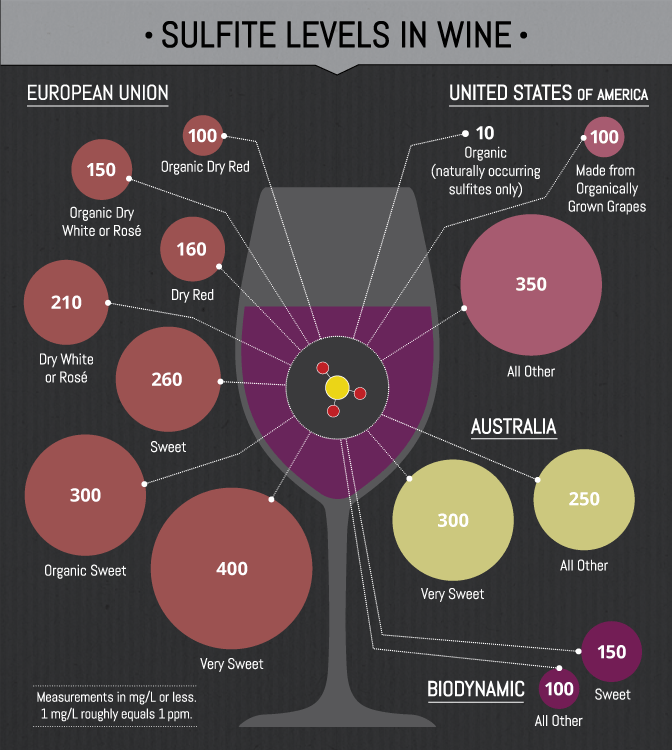
Sulfites (commonly sulfur dioxide, SO₂) are preservatives used to limit microbial growth and oxidation. Levels vary depending on wine type and acidity. Most people do not experience adverse effects, though a small percentage may have sensitivity. Wines labeled “organic” or “biodynamic” may contain lower sulfite levels.
Sulfites (sulfur dioxide, SO₂) are used to preserve freshness by limiting microbial growth and oxidation. Most people tolerate them, though a small percentage may be sensitive. Organic and biodynamic wines generally contain lower sulfite levels than conventional wines.
8. Who is behind this initiative?
The Green Wine Initiative is led by a coalition of:
Winemakers (including internationally recognized estates practicing biodynamic and regenerative viticulture)
Filmmakers (producing The New Vintage)
Academics and climate advocates (grounding the work in science and policy)
Strategists (building outreach campaigns and partnerships)
It is affiliated with Harvard’s Advanced Leadership Initiative Senior Fellowship and supported by experts across wine, film, and sustainability sectors.
The Power of Cover Crops
*
The Power of Cover Crops *
Planting cover crops at scale—across 20 million acres (8.1 million hectares)—has been shown in studies to sequester tens of millions of metric tons of carbon in the soil. That’s the equivalent of offsetting the annual emissions of approximately 12.8 million passenger vehicles.
While the precise impact varies with soil type, climate, and management practices, the evidence is clear: cover crops are one of the most effective tools for locking carbon back into the ground, restoring soil health, and mitigating climate change.